Hydroponics for Beginners: Grow Plants at Home Without Soil
Want to grow fresh greens and herbs without soil? HydroponicsHomeGuide.com shows you how to start hydroponics at home, step by step. Find clear, research-based guides on the best hydroponic plants, beginner-friendly systems and the supplies you actually need.
Hydroponic Gardening at Home: A Simple Way to Grow Fresh Food Without Soil
Hydroponic gardening means growing plants in water that carries all the nutrients they need, instead of in soil. It sounds high-tech, but the idea is simple: give the roots water, nutrients and oxygen in the right balance, and give the leaves enough light. That is why so many people now grow lettuce, herbs and even tomatoes on a kitchen counter, a balcony or in a spare room.
Home growers usually choose hydroponics for practical reasons. It takes much less space than a traditional garden, it works all year round indoors, and many systems recycle their nutrient solution, so they can use less water than soil gardening. Plants often grow quickly because their roots get food directly, although the results still depend on your light, temperature and how well you manage the nutrient solution.
If you are just getting started, keep it small. Pick one easy crop such as lettuce or basil, choose a simple system like a Kratky jar or a compact DWC kit, and get into the habit of checking water level, nutrient strength and pH. The guides on this site are written for exactly that first step, in plain language and without the jargon.
How it works
How Does a Hydroponic System Work?
A hydroponic system delivers water, nutrients and oxygen to plant roots. There are several common types:
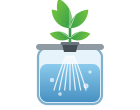 Kratky (passive)No pump or electricity needed
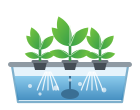 Deep Water Culture (DWC)Roots hang in an aerated solution
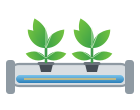 Nutrient Film Technique (NFT)A thin stream of nutrient solution flows
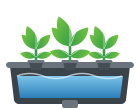 Ebb and FlowFlooded and drained on a schedule
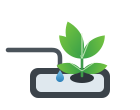 Drip SystemsNutrient solution is dripped onto each plant’s roots
How to Start Hydroponic Planting: 4 Simple Steps
- 1Choose your plants.Start with one or two easy crops, such as lettuce or basil.
- 2Pick a beginner-friendly system.A small Kratky jar or a compact DWC kit is enough to learn the basics.
- 3Get the essentials.You will need a container, net pots, a growing medium, hydroponic nutrients and a light source if you do not have a bright window.
- 4Monitor and adjust.Check water level, nutrient strength and pH regularly, and learn what healthy plants look like.
Recent Blog Posts
View All Blog Posts →Loading the latest posts…
What Are Hydroponic Plants?
Hydroponic plants are plants grown without soil. Instead of drawing nutrients from the ground, their roots sit in (or are fed by) a water-based nutrient solution. Many common plants, from lettuce and basil to tomatoes and strawberries, can be grown this way.
Growing plants hydroponically gives you more control over water, nutrients and light. It also works well indoors, which is why indoor hydroponic plants are popular with people who have limited outdoor space.
Best Plants to Grow in a Hydroponic System
Some plants adapt to hydroponics much more easily than others. If you are just starting, begin with fast-growing, low-maintenance crops:
- Lettuce and leafy greens: quick to grow and forgiving for beginners
- Basil, mint and other herbs: compact, useful in the kitchen and well suited to small systems
- Spinach and kale: productive leafy crops that grow well with steady nutrients
- Strawberries: a rewarding choice once you are comfortable with the basics
- Tomatoes, peppers and cucumbers: fruiting plants that need more light, support and nutrients
Essential Hydroponic Supplies
You do not need to buy everything at once. These are the basics most beginners use:
- Grow lights (for indoor setups)
- Hydroponic nutrient solution
- pH test kit or pH meter
- Net pots and growing medium
- A reservoir or ready-made starter kit
Why Trust This Guide?
Hydroponics advice is only useful if it is accurate. Every guide on this site is researched using reliable sources such as university extension programs, government agricultural resources and published research, and sources are listed at the end of each article. When a recommendation is based on research rather than personal testing, we say so clearly.
Frequently Asked Questions
What can you grow hydroponically?
Many plants can be grown hydroponically. Leafy greens like lettuce and spinach, and herbs like basil and mint, are the easiest to start with. Fruiting plants such as tomatoes, peppers and strawberries also work but need more light and care.
Is hydroponics good for beginners?
Yes. A simple system with an easy crop like lettuce is a good way to learn. Start small, and add plants and equipment as you gain confidence.
Do hydroponic plants grow faster than plants in soil?
They often can, because roots get water and nutrients directly. Growth speed still depends on the plant, the light, the temperature and how well the nutrient solution is managed.
Do you need special lights for indoor hydroponic plants?
If you do not have a very bright window, yes. Most indoor hydroponic plants grow best with a dedicated grow light.
What pH do hydroponic plants need?
Most hydroponic plants do well in a slightly acidic range, commonly around 5.5 to 6.5. Exact needs vary by plant, so always check the guide for the crop you are growing.
Ready to start growing?
Start with our latest beginner guides and pick your first hydroponic plant today.